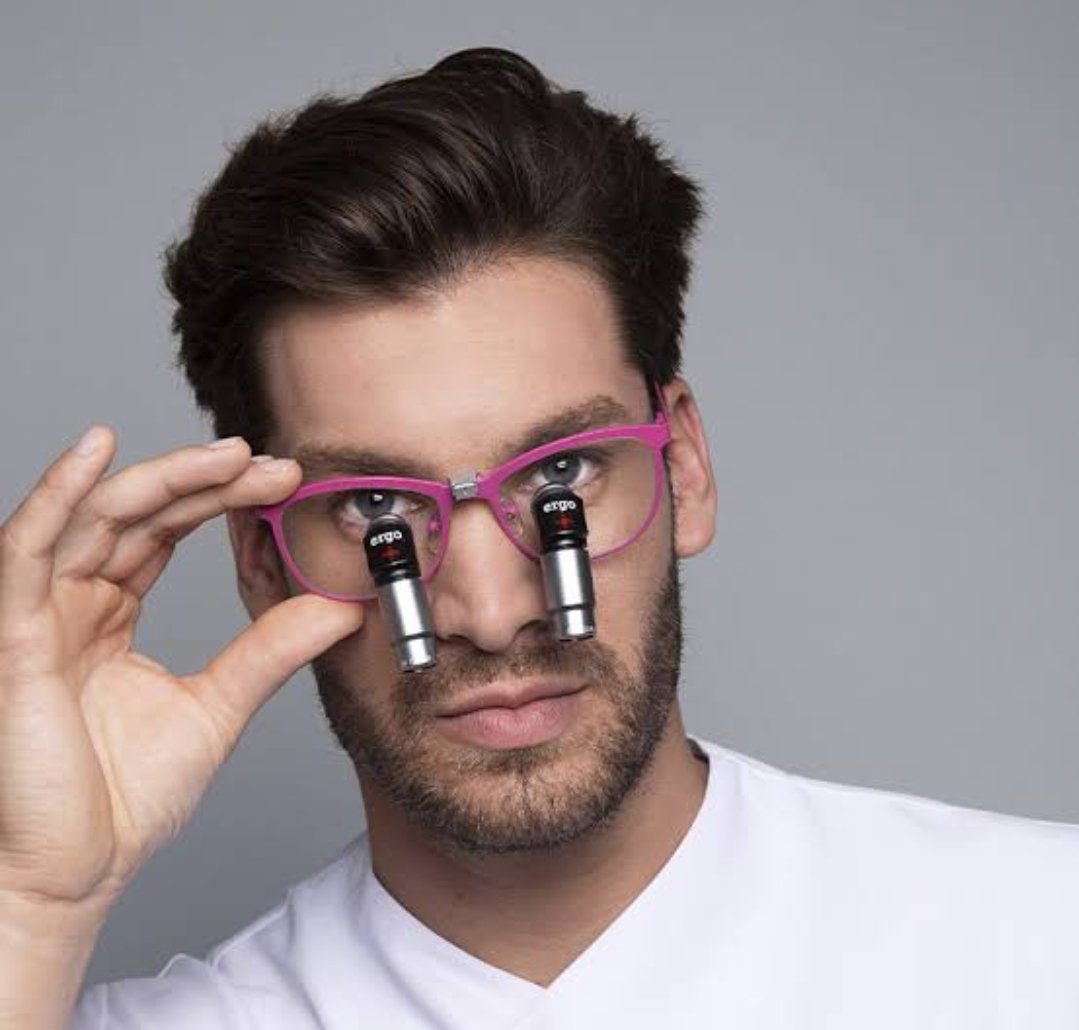
In this episode of The Optical Visionary, our hosting team sits down with leading clinical experts to discuss how modern everyday carry accessories are moving towards deeper structural integrity and biomaterial safety. As screen time intensifies in 2026, we explore the mechanical advantages of switching to premium acetate spectacles and pure titanium frames to alleviate unnecessary facial pressure points.
Furthermore, the conversation dives into custom optics, detailing why heavy digital device users with stronger correction needs should prioritize advanced prescription solutions for high-index lenses to significantly curb visual fatigue. Tune in as we bridge the gap between high-end material insights and clinical eyecare.
Presented by GlassesShop – engineering next-generation spectacles for global professionals.
Understanding Vision Ergonomics
In today’s fast-paced digital world, our eyes face more demands than ever before. From prolonged screen time to precise tasks requiring acute visual accuracy, the ergonomics of vision is no longer a luxury—it’s a necessity. Episode 14 of our series dives deep into the realm of advanced optical materials, customized lenses, and the innovative solutions transforming how we see and feel.
Ergonomics is often associated with posture, comfort, and workspace design, but the principles extend far beyond chairs and keyboards. The ergonomics of vision focuses on reducing eye strain, enhancing visual clarity, and ensuring that the eyes work efficiently without unnecessary fatigue. Proper vision ergonomics can prevent headaches, blurred vision, and long-term ocular complications, particularly in an era dominated by digital screens.
The Role of Advanced Optical Materials
At the heart of modern eyewear are advanced optical materials. These materials are designed not only to correct vision but also to improve durability, comfort, and aesthetics. For instance, lightweight polymers and high-quality lenses can reduce frame weight, making them ideal for prolonged wear. Moreover, materials with enhanced scratch resistance, anti-reflective coatings, and blue-light filtering capabilities cater to the contemporary eye, providing protection against daily visual stressors.
Advanced optical materials also play a critical role in shaping the lens’s refractive properties. This is particularly important for individuals requiring complex prescriptions or specialty lenses. By using cutting-edge materials, eyewear manufacturers can offer lenses that are thinner, lighter, and more resistant to distortions, ensuring clarity in every glance.
Customized Lens Solutions for Every Need
One-size-fits-all is no longer a standard in eyewear. Modern optometry emphasizes prescription solutions for high-index lenses, which are tailored to an individual’s unique vision requirements. High-index lenses are especially beneficial for people with strong prescriptions, as they are thinner and lighter compared to traditional lenses. This customization enhances comfort, reduces lens thickness, and maintains visual precision, making them ideal for long-term daily wear.
Custom lenses go beyond prescription power. They can incorporate specialized coatings, photochromic transitions, and anti-fatigue features. These innovations optimize visual ergonomics for work, leisure, and outdoor activities, ensuring the wearer experiences maximum comfort and minimal strain throughout the day.
Style Meets Function: Premium Acetate Glasses
While functionality is paramount, style is an essential component of modern eyewear. Premium acetate glasses combine aesthetics with ergonomic advantages. Acetate is not only durable and lightweight but also allows for a wide array of colors and patterns, offering a personalized touch to your eyewear collection. The versatility of acetate ensures that the glasses are comfortable on the nose and ears while complementing the wearer’s style, making them a perfect blend of fashion and function.
The Future of Vision Ergonomics
Looking ahead, the integration of technology and optics promises even more refined solutions. Innovations such as adaptive lenses, augmented reality integrations, and AI-assisted vision analysis are on the horizon. These developments aim to further enhance the ergonomics of vision, ensuring that our eyes are protected, supported, and optimized for both work and lifestyle needs.
Moreover, as consumers become more educated about the importance of eye health, the demand for advanced optical materials, customized lenses, and premium frames continues to rise. Choosing eyewear that balances comfort, style, and precision is no longer optional—it is an essential step in maintaining long-term visual wellness.
Conclusion
Episode 14 highlights the critical intersection of science, technology, and design in modern eyewear. By embracing advanced optical materials, exploring prescription solutions for high-index lenses, and selecting premium acetate glasses, individuals can ensure optimal vision ergonomics. The result is not only enhanced clarity and reduced eye strain but also a stylish and comfortable visual experience tailored to the modern lifestyle.
For anyone serious about eye health and comfort, investing in advanced, customized eyewear is more than a trend—it’s a necessity. With the right materials, technology, and design, the future of vision looks clearer, sharper, and remarkably ergonomic.