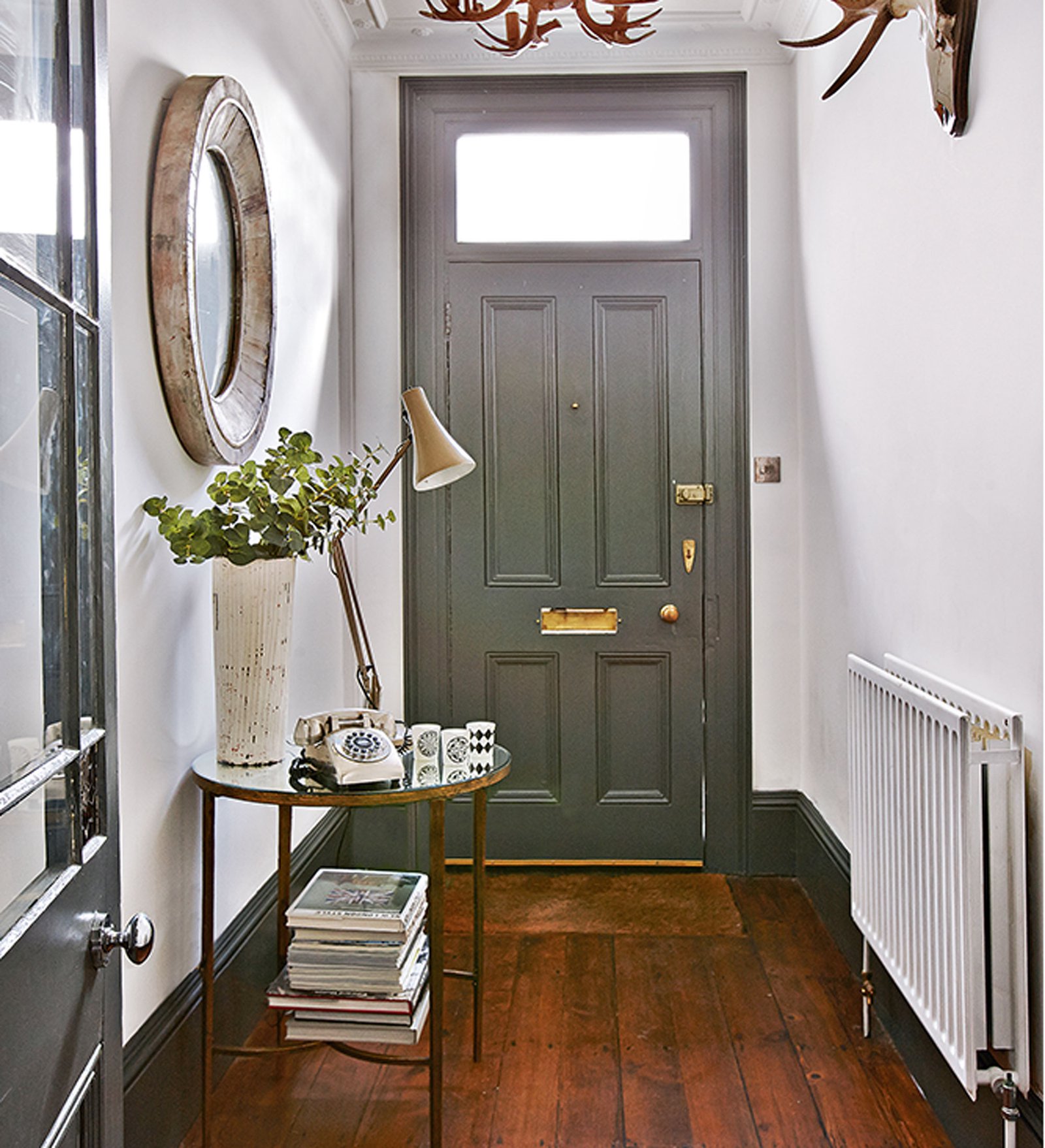
A hallway seems like one of the least significant spaces in any home, a simple connector between rooms rather than a destination in its own right. Yet the width of that passageway can meaningfully shape how comfortable, confident, and independent someone feels throughout a day.
A Space Most People Never Consider
Most people walk through hallways without giving width a thought, since standard dimensions work well for anyone moving through on foot without additional equipment. This invisibility is precisely what makes hallway width easy to overlook when considering what matters in thoughtful home design.
For someone using a wheelchair, walker, or other mobility equipment, however, a narrow hallway transforms from an unremarkable connector into a genuine daily obstacle. Every turn requires careful maneuvering, every doorway along that hallway becomes harder to access smoothly, and simple movement between rooms demands more effort and concentration than it should for something so routine.
How One Measurement Shapes an Entire Day
A single hallway rarely exists in isolation within a home. It connects multiple rooms, meaning its width affects nearly every movement throughout a day, from morning routines through evening wind down. A hallway too narrow to navigate comfortably creates friction that repeats itself dozens of times daily, compounding into genuine exhaustion over time.
This is why hallway width receives careful consideration within thoughtfully designed SDA housing, where builders recognize that this minor architectural decision carries outsized influence over daily comfort and independence. A properly widened hallway removes a source of repeated friction that might shape someone’s entire experience of moving through their own home.
The Cumulative Effect of Small Frictions
Individually, a slightly too narrow hallway might seem like a minor inconvenience easily tolerated. Repeated dozens of times throughout a day, however, these small frictions accumulate into something considerably more significant, contributing to genuine fatigue and a persistent sense that one’s own home requires constant, unnecessary effort simply to move through.
Widening a hallway removes this accumulated friction, replacing dozens of small daily struggles with smooth, effortless movement that most people take completely for granted. This change rarely announces itself dramatically, yet its cumulative effect on daily comfort and energy levels can be significant.
A Small Change With Meaningful Consequences
Recognizing the outsized importance of something as simple as hallway width offers a useful lesson about home design more broadly. Small, seemingly minor measurements can carry consequences far beyond their apparent significance, shaping daily experience in ways that remain invisible until someone actually experiences the difference between a space that accommodates them and one that does not.
The next time a hallway feels effortlessly easy to navigate, it may be worth recognizing that this ease likely reflects careful, intentional design consideration, one small measurement among many that collectively determines whether a home feels genuinely comfortable or subtly, persistently difficult throughout an ordinary day.
A Detail Worth Remembering
Hallway width rarely receives credit for the comfort it provides, precisely because it works quietly in the background. Yet this modest architectural decision often determines far more about how a home feels to live in than many more visible design choices ever could.