In custom metal tooling, time is the ultimate currency. Every extra hour spent waiting on a prototype or tweaking a specialized die cascades down the entire supply chain, delaying product rollouts and inflating project costs. Yet, speed in high-tolerance fabrication isn’t about running machines past their limits or cutting corners on quality. It’s about eliminating the hidden friction embedded in daily shop routines.
By refining five core fabrication workflows, high-precision shops are drastically trimming lead times while keeping tolerances tighter than ever.
1. Front-Loaded CAD/CAM Pre-Flight Inspections
The fastest way to slow down a job is discovering a design flaw when the mill is already spinning. Leading machine shops have shifted toward rigorous pre-flight CAD/CAM analysis, running virtual stress tests and toolpath simulations long before raw stock hits the floor.
Detecting gouges, improper chip loads, or collisions in software prevents scrapped parts and expensive tool breakage. When machinists receive pre-verified code, setup times drop significantly because the trial-and-error phase happens entirely on screen.
2. Standardized Modular Workholding
Re-zeroing fixtures and resetting vises for every unique tooling component sucks up hours of productive machine time. Implementing standardized grid-based sub-plates and quick-change zero-point workholding systems allows operators to swap complex fixtures in minutes rather than hours.
When every machine in the building shares a unified datum system, jobs move seamlessly between vertical mills, wire EDM, and grinding stations. Operators aren’t constantly reinventing the wheel—they’re snapping pre-loaded pallets directly into place and pressing start.
3. Streamlined Prep and Safety Workflows
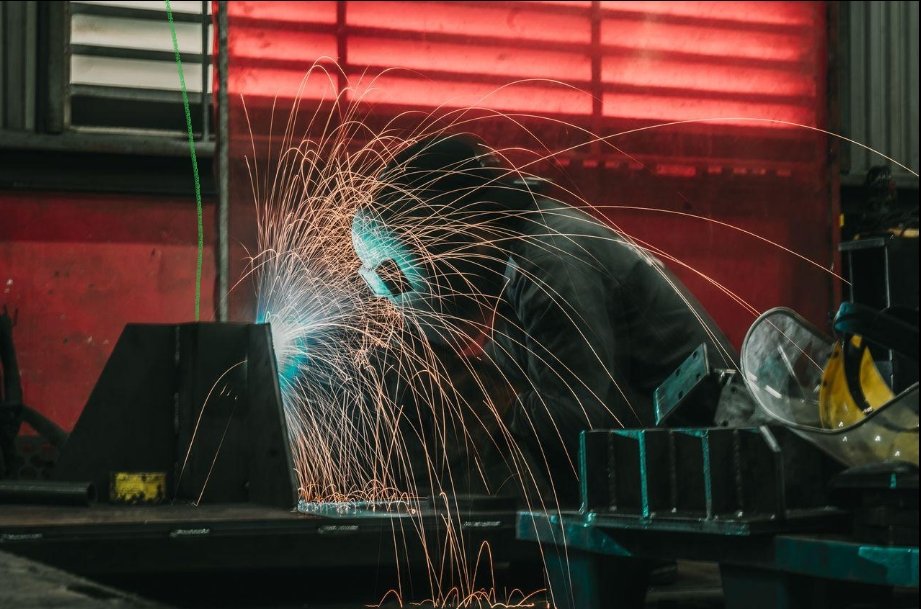
When custom tool fabrication involves heavy structural components or specialized welding, operator comfort and safety directly impact cycle efficiency. Hot work slows down fast if a welder is constantly adjusting awkward gear or stopping to clear fogged visors. equipping staff with ergonomically designed miller welding helmets ensures clear visibility and reliable heat protection during long TIG or MIG passes on heavy tool assemblies.
Beyond standard personal protective equipment, modern shops keep operations running smoothly by maintaining dedicated safety protocols. High-value facilities often rely on a trusted Toronto security company to monitor physical site access, safeguard proprietary tooling designs, and protect expensive raw alloys overnight. When workers operate in an organized, well-protected environment, they work faster and with fewer interruptions.
4. Dynamic In-Process CMM Inspection
Waiting until an entire batch of tooling components is fully machined to perform quality control is a recipe for bottlenecking. By integrating in-process probing directly inside CNC centers alongside portable CMM arms on the shop floor, machinists verify critical dimensions after roughing and semi-finishing steps.
Catching minor thermal expansion or tool wear issues early allows real-time offsets before a part is completely ruined. This inline verification loop eliminates the long queue outside the dedicated metrology lab and ensures components fit right the first time during final assembly.
5. Smarter Shop Logistics and Cash Flow Management
Fab shop workflows extend beyond the spindle. Having raw tool steel sitting idle in receiving because of paperwork delays, or waiting weeks on material delivery due to cash flow hiccups, kills production momentum. Forward-thinking operations keep fluid capital on hand using streamlined financial tools like Lamina to cover unexpected raw stock surges, specialized cutting inserts, or urgent equipment repairs without stalling active jobs.
Pairing agile capital management with lean inventory staging—where material bundles and tooling packages are pre-kitted right next to the target machine—keeps operators focused strictly on cutting metal instead of chasing down missing stock or hardware.
Speeding up custom metal tooling doesn’t require reinventing physics. It simply comes down to removing the small, predictable delays across every stage of the build process. When CAD simulations, workholding, shop floor ergonomics, and logistics align seamlessly, high-precision fabrication transforms from a stressful drag into a lean, fast, and repeatable workflow.