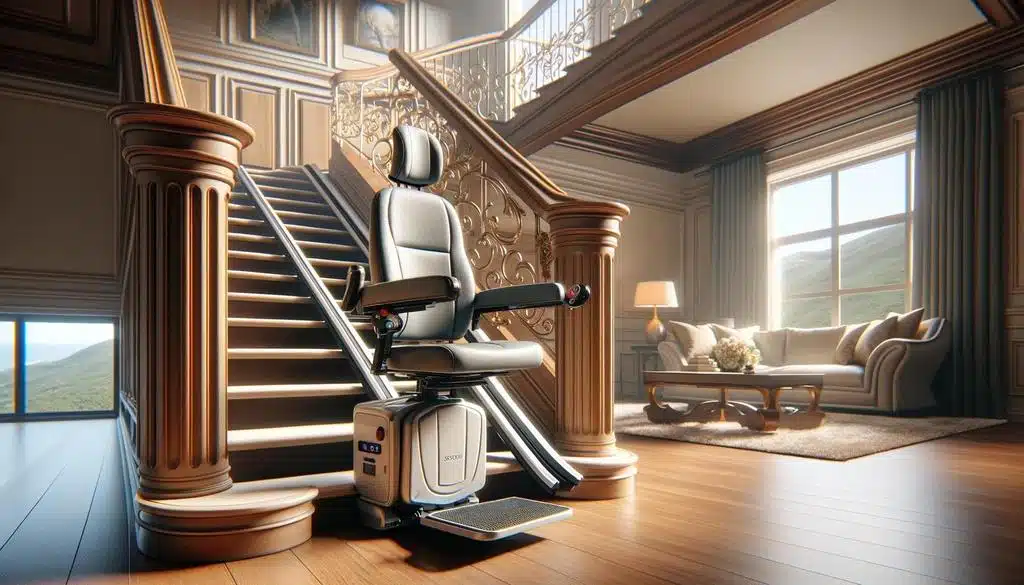
The lift chair had been considered simply a basic piece of equipment, a fixed metal frame with a hand-crank mechanism to raise a patient off the floor. With healthcare transitioning toward being proactive and technology-driven, the simple lift chair is rapidly changing.
Smart lift chairs today are far more advanced. They incorporate innovative features such as pressure-relief positioning, powered reclining systems, remote controls, and enhanced safety mechanisms designed to improve comfort and independence. By rethinking design, functionality, and user support, modern mobility equipment is helping reduce caregiver strain, improve daily living, and enhance quality of life for users at home. For families seeking temporary mobility solutions, lift chair rentals near me have become an increasingly popular option, providing access to advanced equipment without the upfront cost of purchasing.
The Evolution of the Smart Bed: Beyond Comfort
The inclusion of the Internet of Medical Things (IoMT) into medical furnishings has dramatically altered the way patients are monitored. Today’s smart beds serve as centralized information hubs that continually assess a patient’s physical condition without the use of invasive, wired monitors.
Using highly sensitive load cell measurement systems and piezoelectric sensor systems located throughout the mattress, smart beds monitor gross macro data point changes with ease. Families wanting to convert their recovering family member from a clinical setting to a home environment will find that purchasing or renting a high technology Medical Bed for rent in GTA enables them to have access to those same lift chair monitoring capabilities right in their own homes.
Life Saving Technologies Incorporated Into Smart Beds
There are several key innovations that the evolution of the medical bed addresses through the incorporation of several revolutionary technologies that address the most frequent and potentially most deadly complications arising in hospitals:
Continuous Fall Prevention Systems:
Falls continue to represent one of the leading sources of secondary injuries suffered in hospitals. Smart beds include advanced alarm systems for detecting patient exits. Rather than sounding an alarm once the patient has exited the bed, pressure mapping arrays detect subtle shifts in the center of gravity as soon as the patient begins to move toward standing alone and alert caregivers immediately prior to the patient attempting to rise.
Automatic Pressure Injury Prevention:
Prolonged periods of immobility frequently result in pressure sores (also referred to as bed sores). These pressure sores may eventually become infected systemically. Some microstimulation mattresses continuously modify internal air pressure in individual cells approximately every few minutes. This stimulates the body to simulate movement thereby maximizing tissue blood flow and minimizing damage to skin tissues.
Streamlined Caregiver Workflows and Enhanced Safety
Technology also serves as a vital support mechanism for nursing staff and family caregivers. Physical exertion associated with lifting and repositioning patients represents one of the primary contributors to occupational injury among healthcare workers.
Programmed positioning features, combined with motors, enable caregivers to safely reposition patients using the touch- screen interface on a smart bed. Patients transitioning from a clinical environment to home based care requiring significant assistance when transitioning from a reclining position to a sitting position may find a lift chair rental, which provides a useful complementary mobility solution, thus alleviating the burden of heavy physical activity on all parties.
Medical Bed Rentals
Conclusion
The evolution of the traditional hospital bed from a passive piece of furniture into an intelligent platform capable of providing lifesaving diagnostic information demonstrates the rapid advancement of medical engineering. By actively protecting against fall related harm, preventing the development of pressure ulcers, and enhancing pulmonary function, advanced medical beds provide families with increased confidence while enabling clinicians with effective tools for intervening on behalf of patients. Whether used in bustling city ICUs or rented temporarily for home based care, modern medical beds have earned their place as active partners in helping patients survive their acute illness as well as recover fully over time.