Short-form video used to be the final step in a content plan. A creator recorded a clip, trimmed it, added captions, chose music, and hoped it worked on TikTok, Instagram Reels, YouTube Shorts, or the next platform setting the pace.
That rhythm is changing. In 2026, video creation is moving earlier in the process. Instead of asking, “How do we edit what we already shot?” more creators are asking, “Can we test what this idea should look like before we produce it?”
For anyone working around podcasts, music, creator-led brands, social media, or digital storytelling, that shift is easy to understand. A single idea now needs to travel across many formats: a teaser, a product clip, a newsletter embed, a channel intro, a paid social test, or a short campaign loop. Most creators do not have time to film every version from scratch.
From Editing to Direction
The biggest change is not that AI can make video faster. It is that creators can now direct a video idea before the shoot, using reference materials and natural language.
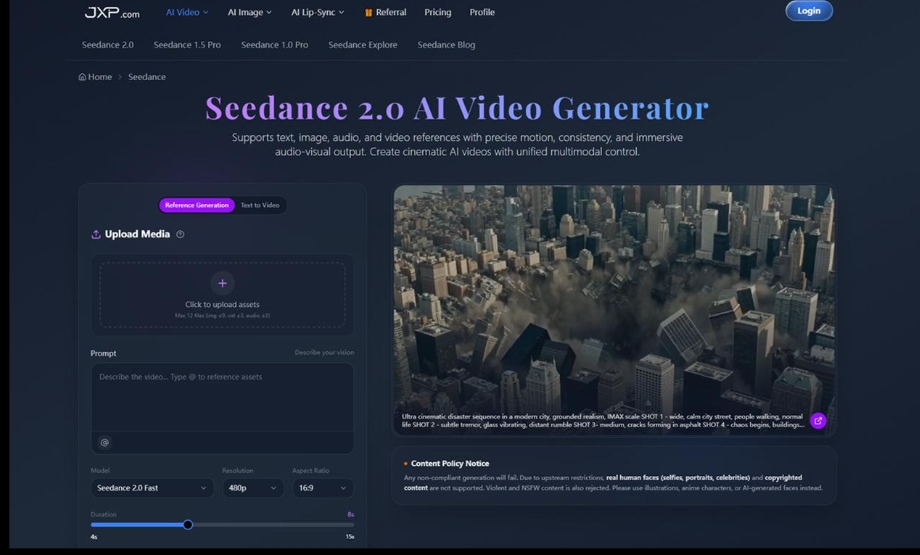
Tools such as Seedance 2.0 fit into this shift because they work with text, images, audio, and video references. A creator can upload assets, describe the movement or mood, and generate a draft that gives the team something visible to review.
That is useful because many creative decisions are hard to make from a blank page. A generated draft can show whether the opening feels strong, whether the pacing works, or whether the idea needs a different visual direction.
Why References Matter
Early AI video often felt unpredictable because a text prompt alone could miss the specific look, product detail, or rhythm a creator wanted. Reference-based workflows help close that gap.
With AI video generation with Seedance, existing materials can guide the result. A product image can shape the subject. A short clip can guide motion. Audio can influence rhythm. A prompt can define lighting, camera movement, and atmosphere.
For a podcast team, that might mean turning a quote into a more visual social clip. For a musician, it could mean building a loop around cover art and a track preview. For a brand, it may mean testing several short video concepts before committing to a final campaign.
A More Practical Creative Workflow
AI video is not replacing human taste. The strongest results still depend on judgment: choosing the right hook, keeping the message clear, and knowing when a clip feels ready.
The practical value is iteration. Creators can test more ideas, compare directions, and move the strongest draft forward. For teams that publish often, creating videos with Seedance 2.0 can make the first visible version of an idea easier to reach.
That matters in a content world where every story is expected to become video. The winning advantage is not just speed. It is learning faster: seeing the idea, adjusting it, and publishing with more confidence.