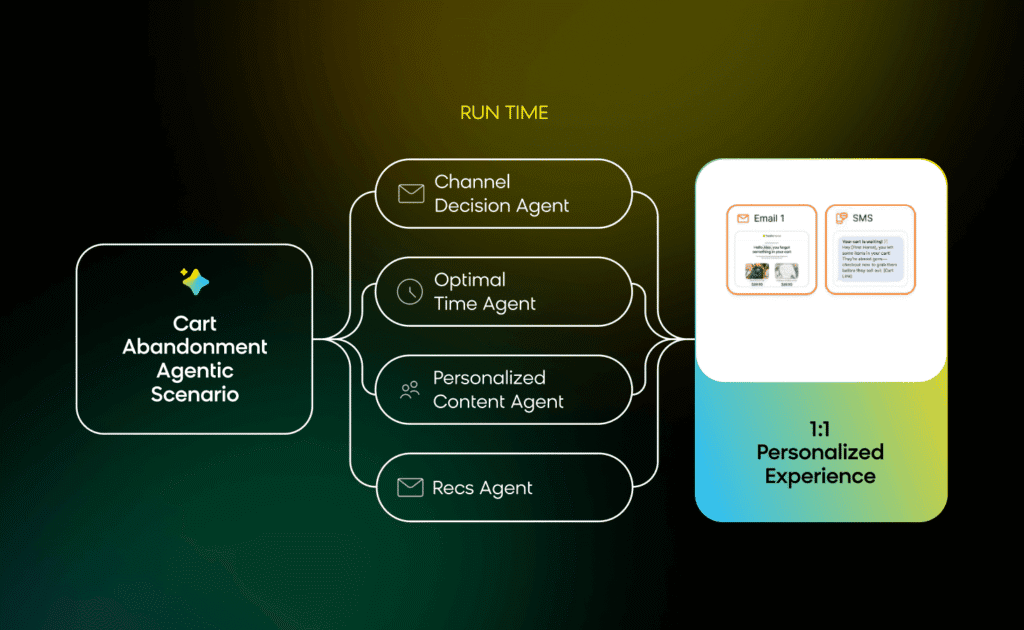
Marketing teams are expected to produce more content, launch campaigns faster, and measure results across multiple channels. For agencies and small businesses, handling these tasks manually can quickly become overwhelming. Artificial intelligence (AI) is helping simplify these workflows by automating repetitive work while allowing marketers to focus on strategy and creativity.
Research is one of the first areas where AI adds value. Instead of spending hours gathering competitor insights or identifying audience trends, AI tools can quickly organize data, highlight patterns, and suggest opportunities. This gives teams a stronger foundation before building a campaign.
Campaign planning also becomes more efficient with AI. Marketers can generate campaign ideas, create timelines, define target audiences, and prepare messaging in less time. Rather than replacing human decision-making, AI acts as an assistant that speeds up planning and reduces administrative work.
Content creation is another major benefit. AI can produce first drafts for blog posts, email campaigns, ad copy, and social media updates, helping writers overcome blank-page syndrome. Human editing is still essential for maintaining brand voice, but AI significantly reduces the time needed to create quality content.
Paid advertising is becoming increasingly data-driven, and AI helps marketers manage this complexity. It can analyze campaign performance, suggest budget adjustments, identify underperforming ads, and recommend new creative variations. Instead of manually reviewing multiple dashboards, many teams now rely on an AI marketing workflow platform to organize campaign tasks, automate reporting, and improve collaboration across marketing channels. These platforms are designed to reduce repetitive work while keeping marketers in control of final decisions.
Reporting is another area where AI saves valuable time. Rather than compiling spreadsheets from different advertising platforms, AI can generate clear summaries with key performance indicators and actionable insights. This allows agencies and in-house teams to spend more time discussing strategy instead of preparing reports.
While AI improves efficiency, it works best as a support tool rather than a replacement for marketers. Creative thinking, audience understanding, and strategic planning still require human expertise. AI simply handles many of the repetitive tasks that slow teams down.
As AI technology continues to evolve, marketing workflows will become even more connected and efficient. Businesses that combine AI automation with human creativity are likely to respond faster to market changes, improve campaign performance, and deliver better results without increasing their workload.