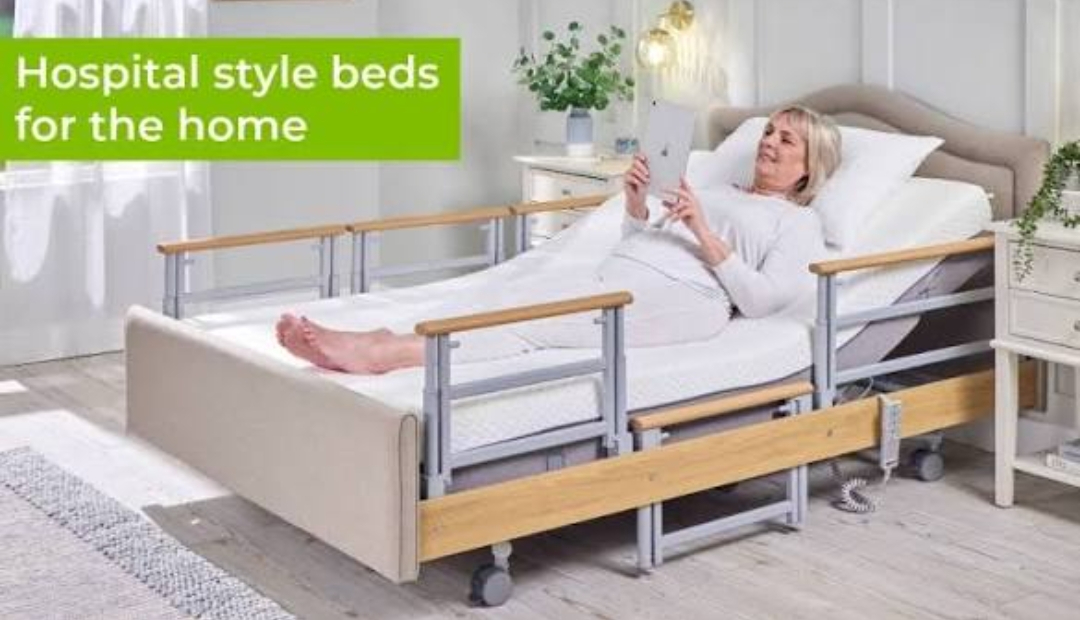
For the majority of new caregivers, their primary concern has shifted to comfort. While most home furniture does nothing to assist with the appropriate level of physical support, there is a better alternative. Investing in a special medical bed is essential to help with everyday care. However, many feel overwhelmed due to the expense associated with high-quality medical equipment, including large hospital beds. Making long-term decisions can be financially crippling. Fortunately, there are alternatives that can help mitigate this financial burden. This article outlines your best option and provides you with the safest and least expensive method to rent a medical bed.
What are the actual needs of patients recovering at home?
A patient’s needs while recovering at home can rapidly change through the course of their recovery. What works perfectly for a patient today could impede their ability to recover tomorrow. Due to this reason alone, flexibility is critical for all caregivers today.
Prioritize Comfort and Safety:
Standard home beds are often unable to accommodate the required framework to address the specific medical requirements for individuals suffering from a myriad of medical conditions. Not only can these beds create undue stress on the caregiver performing transfers, but suitable medical equipment can also position the patient safely thereby decreasing pressure injuries and making tasks related to personal hygiene easier to perform.
-
Adjustable head section characteristics enhance breathing capabilities and allow patients to eat without assistance.
-
Bed elevation decreases the risk of falling when transitioning in and out of the bed.
-
Sturdy side rails provide added support for patients when caregivers transfer patients.
-
Medical equipment designed with ergonomics minimize physical strain on family caregivers.
Offer Yourself Peace of Mind Regarding Finances:
Chronic illness and sudden injury can severely disrupt family budgets. Acquiring needed medical equipment can create a considerable strain on family finances. Nevertheless, by researching and comparing hospital bed rental and purchase options prior to contracting for the use of hospital bed equipment, informed consumers can identify short-term financial benefits during the length of the rental agreement.
Types of Medical Equipment Rentals:
There are numerous varieties of medical beds being supplied by the medical equipment supply industry; each addresses multiple physical constraints/needs as well as various caregiving requirements.
Semi-Electrical vs. Fully Electrical Hospital Bed Models:
Semi-electric hospital beds employ hand cranks to increase/decrease the bed frame but allow for simple electronic adjustments of the head and foot sections of the bed. In contrast, fully electric hospital beds electronically increase/decrease (using a simple remote) all aspects of the bed frame allowing patients who possess some dexterity to control their positioning.
Weight Capacity Options:
While semi-electric hospital beds can safely support patients weighing less than the average patient weight, bariatric hospital beds provide increased structural support for heavier patients thereby minimizing the likelihood of mechanical failure and maximizing patient safety.
Bariatric hospital beds provide frames constructed from heavy-duty steel capable of supporting 1,000 pounds or more. Additionally, bariatric hospital beds provide larger widths than standard hospital beds to improve patient comfort. Large torque motors provide consistent smooth operation when repeatedly adjusting bed positions. Additional safety features include locked castors which eliminate unwanted/uncontrollable bed movement.
Analyze Overall Investment Costs in Medical Equipment:
In addition to the immediate expenses involved in providing home-based medical care for extended periods of time, it is essential to understand your monthly investment to accurately plan for your family budget.
Breakdown of Monthly Costs:
Monthly costs vary based upon your location and your selection of equipment. Generally speaking, however, hospital bed rental near me typically ranges from $100-$500 per month. Although not always included in the base cost of the rental fee, many providers include delivery/setup services/maintenance services in their monthly fees. These services eliminate unexpected repair costs during stressful periods.
Considerations of Entire Product Offering:
Patients cannot simply lie in a metal bedframe and be expected to obtain comfort. You need a specialized therapeutic surface that protects against intense bed sore pain. Therefore, bundling a customized hospital bed with a rented mattress will assure complete compatibility and a single, affordable monthly payment for all equipment. Many vendors bundle compatible products together into a low-cost monthly payment program.
-
Therapeutic foam mattresses distribute body weight evenly across the full surface.
-
Air Overlay Systems continuously prevent pressure ulcer development.
-
Easy-to-clean waterproof bedding enclosures maintain cleanliness.
-
Materials with anti-microbial qualities promote a clean/sanitary environment.
How Important is Proper Equipment Selection for Recovery?
Proper equipment promotes nearly every element of the caregiving environment. It enhances independence of patients undergoing lengthy recovery processes. Increased independence contributes to higher self-esteem among patients who undergo extensive recovery periods. When patients are enabled to control their positioning independently, they have greater independence. Here are some examples of how this relates:
-
Elevating the upper section of the bed enables patients to read/eat without requiring assistance.
-
Effortless transition reduces risks associated with motion sickness.
Protection for Caregivers:
Caregiver burnout is an extreme danger facing caregivers in prolonged home-based caregiving situations. Manual lifting of patients creates lasting spinal damage. Elevating the frame of a hospital bed brings the patient down to your waist level thus removing the need for you to bend over when changing linens/bathing your loved one.
How To Obtain a Rental Agreement for Medical Equipment:
Securing medical equipment requires effective communication between experienced medical suppliers and you. Follow these steps to efficiently deliver your equipment.
Measure Room Space:
Before placing any order for equipment, check room space designated for your bedroom. Standard hospital beds occupy far more space than standard twin-sized beds. Technicians need adequate space to walk in hallways while transporting equipment into your home.
-
Ensure there is a minimum 10×10 feet cleared area devoid of obstacles.
-
Remove loose floor coverings to avoid tripping hazards.
-
Install the bed near accessible ground-outlet locations.
-
Create enough open pathway space adjacent to the bed for caregivers.
Finalize Terms in Rental Supply Contracts:
Ask many questions before signing any rental contract. Determine if any technical issues will be resolved on weekends. Assess long-term needs and consider if continuing to rent would be more cost-effective compared to purchasing a hospital bed for six months or more.
Determine what type(s) of mattress will be provided according to your rental agreement. Ensure it satisfies your physician’s recommended parameters. Determine if there is a possibility of upgrading from a standard hospital bed rental to a bariatric hospital bed rental if your patient exceeds their projected weight gain.
Conclusion:
Purchasing home healthcare-related equipment requires careful thoughtfulness as well as responsible financial management. Temporary rentals allow caregivers to adapt quickly in response to unpredictable health events. They remove concerns regarding future maintenance as well as initial capital investments entirely.
Ultimately, selecting this type of arrangement will allow you to focus on what truly matters: providing comfort for your loved one while creating an environment that fosters a successful recovery at home.