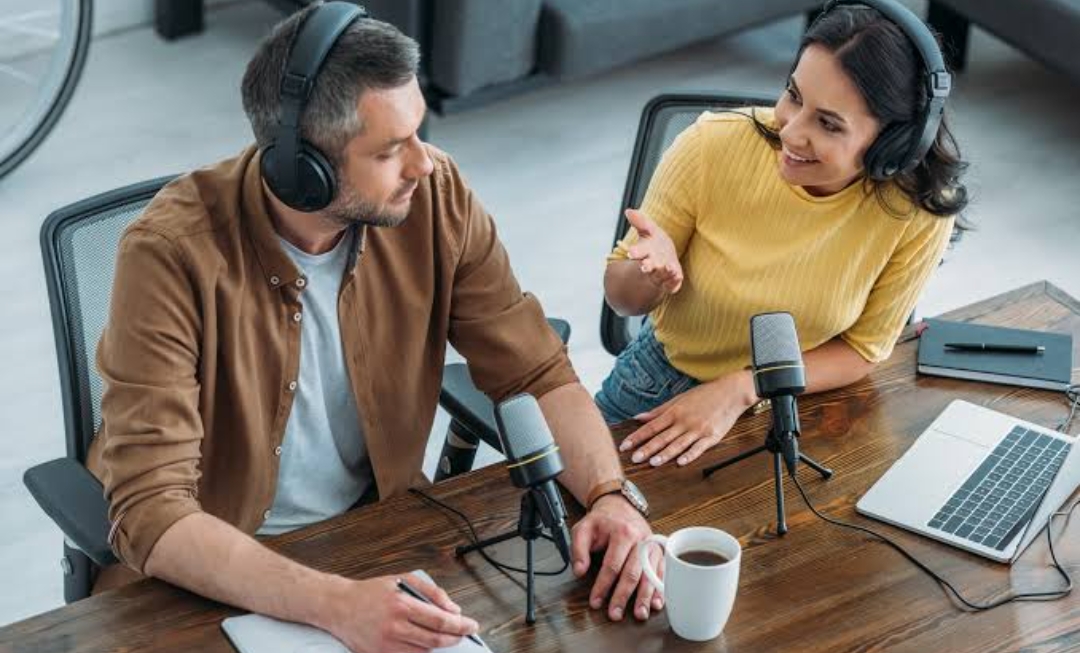
Screen-based activities and audio content may appear to compete for attention. Both, after all, require your brain to do something. However, millions of people have found that rather than competing with visual entertainment, podcasts actually enhance it. Once you understand how these formats complement one another, the combination works surprisingly well.
The Multitasking Sweet Spot
There are layers to human attention. Certain tasks leave your ears completely free while requiring complete visual focus. Other tasks engage your hands while your mind wanders. These gaps are expertly filled by podcasts, which don’t strain your eyes.
Since neither medium is harmed, this combination seems natural. Your eyes are drawn to the game. You listen to the podcast. Both provide their entire experience at the same time.
Gaming Found Its Audio Companion
The connection between gaming and podcasts has become especially strong. Audio layering is particularly useful for casual games. Otherwise mindless sessions become genuinely enjoyable when engaging conversation or storytelling is added.
Creators like Jackpot Beauties frequently have podcasts running during spins and play sessions. Together, the audio and visual elements provide a comprehensive entertainment experience. Brief pauses in between podcast segments. Longer listening sessions while playing for extended periods of time. Instead of feeling forced.
Visual Media Gets An Upgrade
Additionally, podcasts work well with some kinds of video content. When a true crime podcast is playing, cooking shows sound great muted. Documentaries about nature don’t require dialogue to be impressive. Some scripted series that are primarily intended for visual storytelling can run silently alongside audio programs.
Why This Matters For Podcast Listeners
Listeners can make the most of their podcast consumption by being aware of these pairings. The typical person has few opportunities to listen intently. Chores, exercise, and commutes only take up a certain number of hours each week. Time spent on visual entertainment is wide open.
The experience is further enhanced by matching podcast genres to activities. During gaming sessions, light conversational shows are most effective. Less demanding visual tasks work better with dense informational content. Because of their inherent rhythm, interview formats can be used almost anywhere.
Personal preferences are quickly revealed through experimentation. Some listeners find that keeping their hands busy helps them remember information better. For others, some podcast genres are only effective when paired with particular visual activities. Each person has different combinations that work.
The Technology Caught Up
This pairing was seamless thanks to modern devices. Playback of background audio became commonplace. Listeners no longer needed cables thanks to Bluetooth headphones. While audio apps are running, picture-in-picture modes allow videos to shrink. The technological obstacles that used to make integrating media uncomfortable just vanished.
Building Better Entertainment Habits
Understanding how podcasts enhance visual media creates opportunities. Time that was previously thought to be wasted becomes useful. When audio is layered on top of visuals, entertainment hours are extended. There is a significant increase in the overall enjoyment derived from available leisure time.