When high-stress situations arise in schools, group homes, or residential care settings, the people closest to the crisis are rarely the ones with the most formal training. That gap — between what front-line staff are expected to handle and what they have actually been prepared for — is exactly the problem this contributor has spent years trying to close.
This profile presents an expert who works at the intersection of social services, education policy, and behavioral health; this individual has developed a methodical approach to professional development from their own experience in care settings.
From the Care Floor to Curriculum Design
The writer has worked directly in crisis intervention for more than ten years, initially as a residential care worker and later as a program coordinator in charge of training new employees in multi-site institutions. That trajectory shaped a very specific lens: policy matters, but only as much as the person who has to apply it in the room.
What became clear early on was that certification frameworks — however well-intentioned — often fail at the point of application. A staff member might pass a written exam and still freeze during an actual escalation. That disconnect pushed the contributor toward developing resources that bridge the gap between test knowledge and practical decision-making.
What This Contributor Focuses On
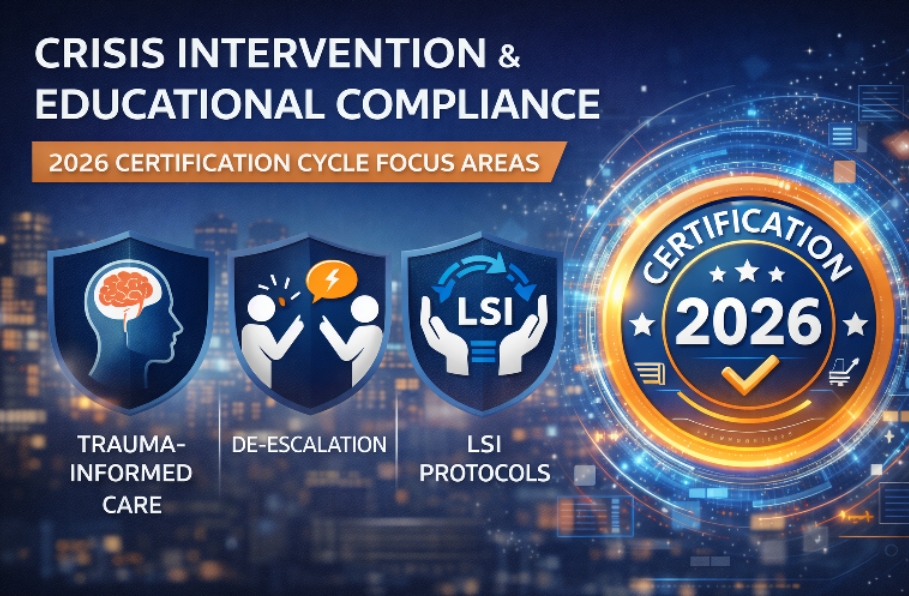
Dedicated to improving safety outcomes in high-stress care environments, this specialist focuses on developing educational frameworks that help staff navigate the complexities of trauma-informed care. The current project addresses a real gap heading into the 2026 certification cycle, providing open-access resources — including a comprehensive TCI practice test — designed to help social workers and educators master de-escalation techniques and LSI (Life Space Interviewing) protocols before they walk into a high-stakes certification assessment.
The approach is deliberately practical. Rather than re-packaging existing theory, the resources are built around the scenarios care workers actually encounter — a student in the middle of a meltdown, a resident escalating toward physical aggression, a family in the waiting room who doesn’t understand what’s happening to their child. The goal is certification readiness that reflects real-world pressure.
Why Compliance and Crisis Work Must Come Together
There is a tendency in institutional settings to treat compliance as a paperwork problem and crisis intervention as a training one. In reality, they are deeply intertwined. Regulatory requirements around restraint reduction, de-escalation mandates, and trauma-informed care standards all converge on the same point: organizations need staff who understand not just what to do, but why the framework was designed that way.
The Therapeutic Crisis Intervention (TCI) program, developed by Cornell University’s Residential Child Care Project, is one of the most widely adopted frameworks for exactly this reason. It doesn’t separate the emotional from the procedural — it treats them as part of the same skill set. For anyone working toward TCI certification, the expectation is that behavioral knowledge and compliance awareness go hand in hand.
What You Can Expect from This Contributor
Future contributions from this specialist will cover topics including: how to prepare front-line staff for certification audits, the evolving regulatory landscape around behavioral intervention in schools and group care, and practical guides for program coordinators managing compliance across multiple facilities. The focus will always remain on what’s actionable — not what looks good on a report.
If your organization is preparing for re-certification in 2026 or building out a new trauma-informed care curriculum, this is a voice worth following.