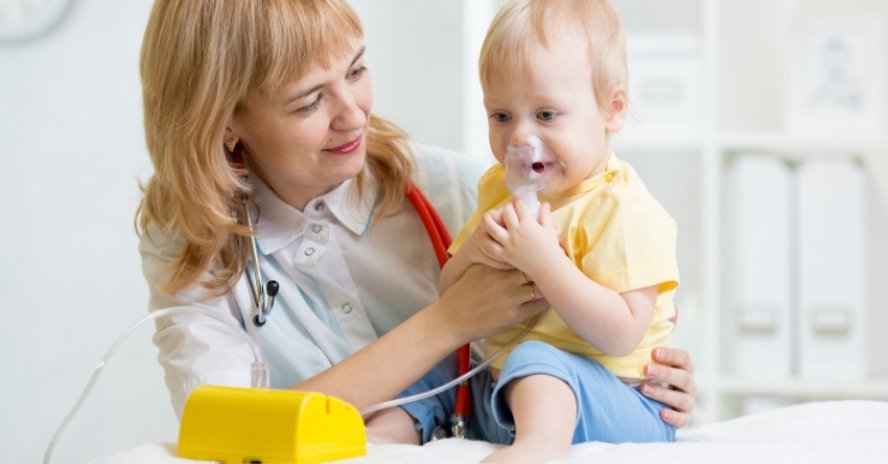
Florida families raising a medically complex child face a daytime care gap that most childcare options were never built to fill. A general daycare cannot manage a ventilator, monitor a central line, or handle scheduled tube feedings, which leaves working parents choosing between staying home indefinitely or piecing together care from family members with no clinical training. Florida addressed this gap decades ago by creating a licensed care model built specifically for children who need ongoing nursing support but do not need to be in a hospital.
What PPEC Is and Why Florida Built a Program for It
Prescribed Pediatric Extended Care, known as PPEC, is a nonresidential medical center where children with complex health needs spend the day under the supervision of licensed nurses. Florida authorized this model through state statute, and centers operate under licensure from the Agency for Health Care Administration, which sets requirements for staffing ratios, clinical protocols, and facility safety. A PPEC is not a hospital and not a standard daycare. It sits in between, combining nursing oversight with developmental activities, therapy, and play so children get medical support and a childhood experience in the same setting.
The program exists because Florida recognized that children who are stable enough to live at home often still need skilled care during the hours their parents work, sleep, or care for other family members. Without a licensed daytime option, that care would fall entirely on caregivers, many of whom are not trained nurses and cannot safely manage ventilators, oxygen equipment, or seizure response on their own.
How Florida’s PPEC Benefit Works Under Medicaid
For children enrolled in Florida Medicaid, PPEC services may be covered when a physician prescribes them as medically necessary, with care generally available for up to twelve hours a day. Coverage terms depend on the child’s specific Medicaid plan, and many plans require prior authorization before services begin, so families typically work with the PPEC provider’s intake team to confirm eligibility and gather documentation rather than navigating the process alone.
Who Qualifies for Care
Eligibility centers on medical complexity paired with clinical stability. Children from birth through their early twenties can qualify if they require ongoing skilled nursing but do not need inpatient hospital care. Common diagnoses among PPEC participants include ventilator dependence, tracheostomies, gastrostomy tube feeding, seizure disorders, cerebral palsy, chronic lung disease connected to premature birth, and recovery from traumatic brain injury. A physician’s prescription is required before enrollment, confirming that the child’s needs exceed what a typical childcare setting could safely provide.
What a Day at a Florida PPEC Center Looks Like
Most centers begin the day with transportation, often in vehicles equipped for medical needs and staffed by trained personnel, which removes a significant burden for parents managing work schedules or other children at home. On arrival, nursing staff complete a health assessment so any overnight changes in the child’s condition are caught early.
From there, the day follows a structured care plan. Medications are administered on schedule, feedings and respiratory treatments are managed, and vital signs are monitored throughout. Layered into that clinical routine are activities suited to each child’s age and ability, including sensory play, music, crafts, and early learning exercises. Many centers also provide physical, occupational, and speech therapy on-site, which allows therapists to coordinate directly with the nursing team and track progress across the full day rather than in isolated weekly sessions.
The Geography Behind PPEC Florida
PPEC Florida programs are not evenly distributed across the state, which matters for families trying to plan around one. Centers tend to cluster near larger metro areas and regions with sufficient pediatric medical infrastructure to support licensed nursing staff, meaning families in more rural counties sometimes travel farther or coordinate transportation across county lines to reach a center. Understanding where centers operate, and confirming that a specific center’s service area covers a family’s address, is often the first practical step before pursuing enrollment. Because licensure and Medicaid coordination happen at the state level, a center’s Florida license is what confirms it meets the same staffing, safety, and clinical standards required anywhere in the state, even as physical locations vary by region.
How PPEC Complements Home Nursing
Many families combine PPEC with private duty nursing at home. A child might attend a center during the day and receive nursing support in the evenings, overnight, or on weekends, particularly when a single provider delivers both services and can carry the same care plan and clinical history across settings. This combination can ease the burden on the whole household. Parents may be able to return to work, protect their own sleep, or spend more focused time with siblings, while the child benefits from consistent oversight whether at the center or at home.
Choosing a PPEC Provider in Florida
Before enrolling, families generally benefit from touring a center in person and asking how staff are trained for emergencies, how equipment travels safely during transport, and how care plans get updated after a hospital stay or a change in the child’s condition. A provider that welcomes those questions and answers them clearly is usually a strong sign of an organized clinical program.
Angels of Care is a nurse owned pediatric home health agency operating PPEC centers across Florida, alongside private duty nursing and in-home therapy for children with medical complexity. Families interested in learning whether a PPEC setting fits their child’s needs can reach Angels of Care at (855) 45-ANGEL to discuss eligibility and next steps.