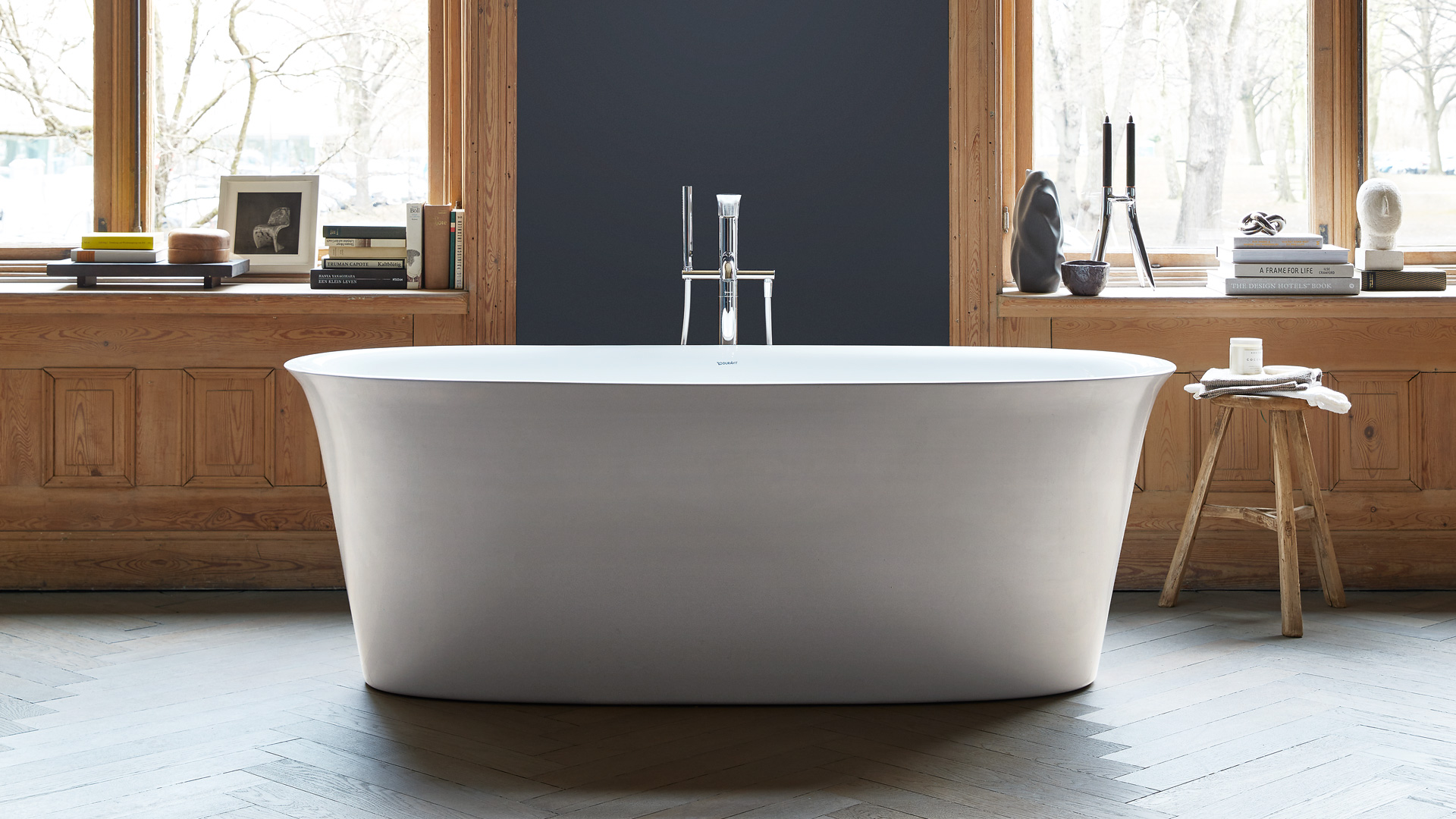
An acrylic bathtub is one of the most common choices in American bathrooms today. Walk through any home improvement store and you’ll see rows of them in every shape and size. They look good, they feel warm to the touch, and they don’t cost as much as stone or cast iron. But like anything else, acrylic has strengths and weaknesses that matter once you start using it every day.
Acrylic tubs are made from sheets of sanitary acrylic that are heated and formed into shape, then reinforced with fiberglass and resin on the back for strength. This construction gives them a smooth, glossy surface that looks great when new. Understanding how acrylic behaves over time helps you decide if it’s the right fit for your bathroom and your habits.
What Makes Acrylic Different
Acrylic is a type of plastic, but it’s not the same as the cheap stuff you might remember from decades ago. Modern sanitary acrylic is durable, non-porous, and formulated specifically for bathroom use. The surface is smooth with no pores or gaps where bacteria can hide, which makes it more hygienic than some other materials.
One thing you notice right away with an acrylic tub is the temperature. Acrylic feels warm when you touch it, even in a cool bathroom. Cast iron and steel tubs feel cold until you run hot water into them. With acrylic, you don’t get that shock of cold material when you step in.
The material also holds heat well. Acrylic retains warm water longer than some alternatives, which matters if you like to soak. The water stays comfortable without you having to keep adding hot water.
Daily Cleaning and Maintenance
Keeping an acrylic tub clean is straightforward, but you have to use the right approach. The non-porous surface means soap scum and dirt don’t soak in, so they wipe away easily with mild cleaners.
For daily cleaning, a rinse with warm water after each use makes a big difference. This washes away soap residue before it has time to dry and stick. A quick wipe with a soft cloth or squeegee handles the rest.
Once a week, a deeper clean with dish soap and warm water keeps things fresh. You can also use a mixture of white vinegar and water for tougher spots. The key is to let the cleaner sit for a few minutes so it can work, then wipe gently with a soft sponge.
What you don’t want to use are abrasive products. Scouring powders, steel wool, stiff brushes, and magic erasers will scratch the surface. Acrylic ranks between 2.5 and 3 on the Mohs hardness scale, which means everyday scrubbing pads are actually harder than the tub itself. Once scratches appear, they collect dirt and become more noticeable over time.
You also need to avoid harsh chemicals. Bleach, ammonia, and acetone can damage the finish. Stick to mild dish soap, vinegar, and cleaners specifically labeled safe for acrylic.
Dealing With Scratches and Stains
Even with careful cleaning, acrylic tubs can get scratched. It happens. Kids drop toys, you move things around, and over time the surface shows some wear.
The good news is that minor scratches are fixable. Fine-grit sandpaper starting at 600 grit and working up to 2000 grit can smooth out shallow scratches, followed by polishing with an acrylic polish. This brings back the gloss. For deeper damage, acrylic repair kits are available that fill the scratch and blend with the surrounding surface.
Stains are less common with acrylic because the material is non-porous, but they can happen. Hard water deposits show up as white spots where water dries. A vinegar solution usually takes care of these. For tougher stains, a paste of baking soda and water left to sit on the spot works well.
Rust stains from shaving cream cans or metal accessories left sitting in the tub can happen too. Lemon juice rubbed directly on the stain often lifts it.
Installation and Weight
One practical advantage of acrylic is how much it weighs. A typical acrylic tub weighs between 20 and 30 kilograms, which is about 45 to 65 pounds. Compare that to cast iron at several hundred pounds, and you see why acrylic is popular for renovations.
The light weight means acrylic tubs are easier to get into place. Two people can carry one up stairs and maneuver it into position without special equipment. This also matters if your bathroom is on a second floor, where a heavy tub might need extra structural support.
Installation itself should still be done carefully. While some experienced DIYers handle acrylic tub installation themselves, it’s generally smart to have a professional do it. Proper leveling, support, and sealing around the edges matter for long-term performance. A tub that isn’t installed right can flex or settle in ways that lead to problems.
Acrylic tubs come in two main types. Drop-in tubs fit into a deck you build around them. Alcove tubs go against three walls. Freestanding acrylic tubs are also available in many shapes. The material molds easily, so you can find everything from simple rectangular tubs to curved soaking designs.
How Long Acrylic Tubs Last
With good care, an acrylic tub can last 30 to 50 years. That’s a long time for any bathroom fixture. The actual lifespan depends on how well you maintain it and the quality of the tub itself.
Cheaper acrylic tubs may have thinner material and less reinforcement. Higher-quality tubs use thicker acrylic sheets and more fiberglass backing, which makes them more rigid and durable. When you shop, pay attention to the feel of the material. A tub that flexes too easily under your weight might not hold up as well over decades.
The color in acrylic tubs goes all the way through the material, not just coated on top. This means if you do get a scratch, the color underneath matches the surface. It also means the tub won’t show wear the way coated surfaces do when the coating wears through.
Over many years, acrylic can eventually lose some of its gloss. Regular cleaning and occasional polishing help maintain the shine. The material is also UV resistant, so it won’t yellow or fade from sunlight exposure.
Comparing Acrylic to Other Materials
Acrylic sits in a practical middle ground among bathtub materials. It costs less than cast iron, stone, or solid surface materials. It’s warmer and quieter than steel or cast iron. It’s more durable than fiberglass, which is a cheaper plastic material that tends to fade and crack sooner.
The trade-off is that acrylic isn’t as scratch-resistant as some alternatives. Cast iron enamel is harder and resists scratching better, but it’s also cold, heavy, and prone to chipping if you drop something. Solid surface tubs are more scratch-resistant and can be sanded like acrylic when damaged, but they cost significantly more.
For most homeowners, acrylic offers the best balance of affordability, comfort, and durability. It looks good, feels warm, cleans easily, and lasts for decades with reasonable care.
Making Your Choice
When you shop for an acrylic tub, look at the thickness of the material and how rigid the tub feels. Press on the sides and bottom. A quality tub should feel solid, not flimsy.
Consider the shape and depth that works for your space and how you bathe. Soaking tubs are deeper. Alcove tubs fit standard spaces. Freestanding tubs make a design statement but need more floor space.
Think about who uses the bathroom. Families with kids might want a tub that’s easy to clean and can handle occasional bumps. Acrylic works well here because it’s warm for children and the surface isn’t as hard as enamel if someone slips.
If you take a lot of baths, the heat retention of acrylic is a real benefit. The water stays warm longer than in steel or enameled tubs, so you can actually relax without rushing.
A trusted source like Mokleba offers quality acrylic options that balance durability with good design.
Conclusion
An acrylic bathtub makes sense for most bathrooms. It’s affordable, warm, easy to clean, and available in any shape you could want. The material holds heat well, feels comfortable, and with proper care lasts for decades.
The main thing to remember is that acrylic needs gentle cleaning. Mild soap, soft cloths, and avoiding abrasives keep the surface looking new. Minor scratches can be repaired, but prevention is easier than fixing.
Take your time choosing the right size and style for your space. Consider who uses the bathroom and how. And don’t skimp on quality just to save a few dollars. A well-made acrylic tub from a reputable source will serve you well for many years.