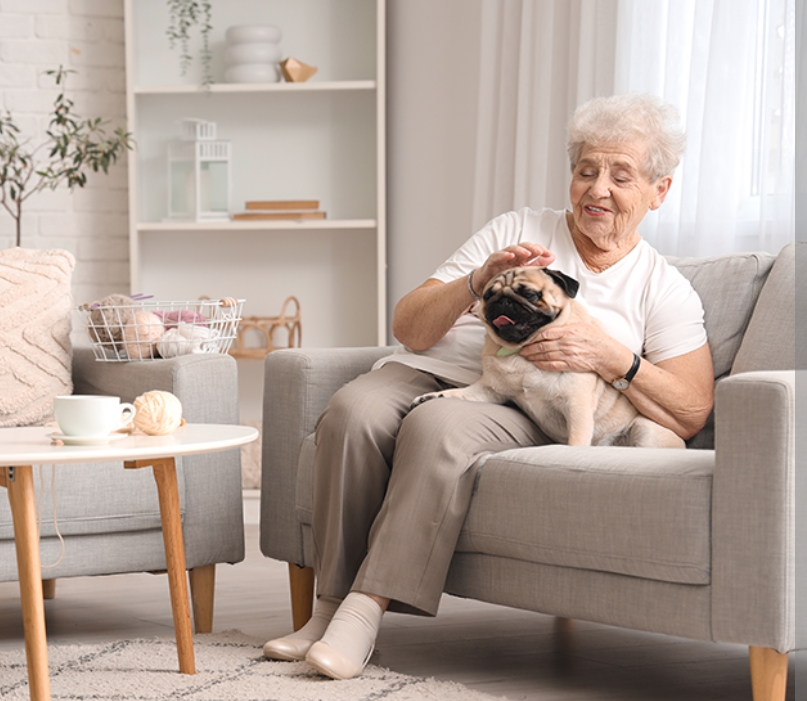
Your grandmother has been eyeing retirement living options, and she has opinions. Strong ones. She doesn’t want a place that screams “assisted living” or looks like a hospital ward. She wants a beautiful home where she can maintain her independence, host family gatherings, and live comfortably as her needs change over time. What she’s describing, whether she knows it or not, is exactly what designers of accessible housing have spent years perfecting.
The Hidden Overlap
When housing designers create homes for people with disabilities, they’re solving the same problems that plague traditional retirement living. How do you build spaces that support independence while accommodating changing physical capabilities? How do you incorporate assistive features without creating institutional atmospheres? How do you design for various needs without predicting exactly what those needs will be?
These questions drive both accessible housing design and quality retirement home planning. The solutions, remarkably, look nearly identical. Wide doorways, single-level living, accessible bathrooms, and thoughtful technology integration serve both populations equally well. Your grandmother’s wishlist for her retirement home aligns almost perfectly with the principles guiding SDA housing and accessible design across the board.
The Features That Matter
Consider what makes a retirement home genuinely comfortable. No stairs to navigate means reduced fall risk and easier daily movement. But it’s not just about safety. Single-level living eliminates the multiple daily climbs that become exhausting with age. You might call this “aging in place” design, but it’s identical to wheelchair-accessible design principles.
Bathrooms reveal this connection clearly. The walk-in showers, grab bars, and non-slip surfaces that retirement communities advertise are the same features required in accessible housing. The difference is marketing language. One sells “luxury spa-like experiences” while the other emphasizes “accessibility compliance,” but the actual designs are virtually indistinguishable.
Kitchen modifications tell the same story. Lower cabinets that slide out, varied counter heights, and appliances positioned for easy reach make cooking manageable as strength and flexibility decrease with age. These exact features allow wheelchair users to prepare meals independently. The need differs, the solution remains the same.
Technology Bridges Generations
Smart home technology particularly demonstrates this overlap. Voice-activated controls help people with limited mobility operate lights, adjust temperatures, and control entertainment systems. This technology appeals equally to older adults who may struggle with small switches or have arthritis making traditional controls difficult.
Automated lighting that responds to movement prevents nighttime falls, a major concern in retirement living. The same system helps people with disabilities navigate safely without requiring them to find and operate switches. Emergency call systems, medication reminders, and health monitoring technologies serve both populations, often with identical implementations.
Video doorbells and smart locks eliminate the need to rush to doors or struggle with traditional locks and keys. Whether reduced mobility comes from disability or age, the solution works the same way. Remote-controlled window coverings, adjustable beds, and temperature control systems appeal across age groups and capability levels.
The Aesthetic Revolution
Perhaps most importantly, modern accessible design has cracked the aesthetic code that long eluded retirement housing. Nobody wants to live in spaces that look medical or institutional, regardless of their age or physical capabilities. Contemporary accessible design proves that functional features can be beautiful.
Curbless showers now look like high-end spa features. Wider hallways create a sense of spaciousness rather than looking “different.” Lever-style door handles come in elegant designs that complement any decor. Contrasting floor colors that aid navigation double as striking design elements. The days of choosing between functionality and beauty have ended.
This aesthetic evolution matters tremendously for retirement living. Older adults want homes that feel personal and sophisticated, not facilities that feel temporary or medical. Accessible design principles deliver exactly that, creating spaces that function brilliantly while looking like places people actually want to live.
The Economics Make Sense
Building retirement homes using accessible design principles also makes financial sense. Many features required for accessibility serve multiple purposes, reducing long-term modification costs. A home built with these principles from the start accommodates residents as their needs change, reducing turnover and the associated costs of repeated renovations.
Developers are discovering that retirement communities incorporating these design elements appeal to broader markets. Active retirees choose them proactively, planning ahead for changing needs. Adult children appreciate the safety and functionality features when helping parents select housing. The investment in accessible design features pays returns through increased marketability and resident satisfaction.
Real Stories, Real Connections
Margaret, 73, moved into a retirement community built using accessible design principles. She chose it not because she needed accessibility features immediately, but because the home felt spacious, modern, and comfortable. Two years later, after hip surgery, she realized those same features allowed her to remain independent during recovery. The wide doorways accommodated her walker easily. The roll-in shower meant she could maintain her hygiene routine without assistance. The home she chose for its appeal turned out to be perfectly equipped for her temporary medical needs.
Robert, 68, initially resisted retirement community living because the facilities he toured felt institutional. Then he visited a community designed around accessible housing principles. The homes looked contemporary and felt personal. The wide hallways seemed like a luxury rather than a medical necessity. He moved in and subsequently needed the accessible features less than a year later when arthritis began affecting his mobility. The design that attracted him aesthetically ended up supporting his independence practically.
Planning for Unknown Futures
One of the most valuable aspects of this design approach is its flexibility. Neither designers nor residents can predict exactly how needs will change over time. Accessible design principles create homes that accommodate various possibilities without requiring major renovations.
Your grandmother might be healthy and active now, but building or choosing a home with accessible features means she won’t need to move if circumstances change. The home grows with her, supporting independence across different life stages. This adaptability reduces stress, saves money, and allows people to remain in familiar, comfortable environments as they age.
The Broader Implications
This connection between accessible design and quality retirement housing reveals something important about human needs. The features that support people with disabilities don’t represent “special” requirements. They represent thoughtful design that accommodates the full range of human capabilities and how those capabilities change across lifetimes.
Retirement communities embracing these principles aren’t making compromises or building medical facilities disguised as homes. They’re creating genuinely better living spaces that anticipate human needs rather than reacting to them after the fact. They’re proving that the best design works for people across ages and abilities, creating homes where independence and comfort coexist beautifully.
When your grandmother talks about her dream retirement home, she’s describing the future of housing design. A future where accessibility isn’t an add-on but a fundamental principle. Where beauty and function work together seamlessly. Where homes support independence for everyone, regardless of age or ability. That future is already here, waiting in communities built on universal design principles that serve us all.