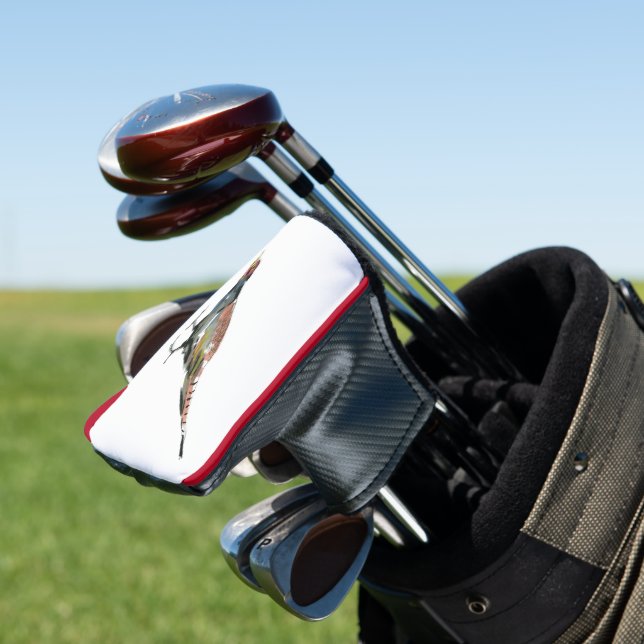
Golf is a game of precision, patience, and pride. Every golfer, whether a beginner or a seasoned professional, invests time and money into choosing the right equipment. While clubs often get the most attention, one important accessory is sometimes overlooked: golf headcovers. Among them, driver headcovers play a particularly vital role. These simple yet effective accessories protect valuable clubs, enhance organization, and allow golfers to express personal style on the course.
In this blog, we will explore why golf headcovers and driver headcovers are essential, the different types available, their benefits, and how to choose the right ones for your golf bag.
What Are Golf Headcovers?
Golf headcovers are protective covers designed to fit over the heads of golf clubs. Their primary purpose is to protect clubheads from damage caused by collisions, dirt, moisture, and weather conditions. During transportation or while walking the course, clubs can easily strike each other, leading to scratches, dents, or chipped finishes. Golf headcovers act as a protective barrier to prevent this wear and tear.
Modern golf headcovers are not just functional; they are also stylish and customizable. From classic leather designs to fun novelty shapes, golf headcovers have become an important part of a golfer’s identity.
The Importance of Driver Headcovers
Among all golf clubs, drivers are usually the largest, most expensive, and most fragile. That’s why driver headcovers are especially important. Drivers are often made with advanced materials such as titanium or carbon fiber, which can be damaged by repeated impact with other clubs.
Driver headcovers help maintain the performance of drivers by protecting the clubface, crown, and shaft from scratches and cracks. A damaged driver can negatively affect distance, accuracy, and confidence, making proper protection essential for consistent play.
Key Benefits of Golf Headcovers and Driver Headcovers
1. Protection from Damage
The most obvious benefit of golf headcovers and driver headcovers is protection. They prevent clubs from banging together inside the bag, reducing cosmetic and structural damage. This is especially important for golfers who travel frequently or play on rough terrain.
2. Extended Club Lifespan
Clubs that are properly protected last longer. Using quality golf headcovers helps preserve the original condition of clubs, which is beneficial for long-term use and resale value.
3. Organization and Convenience
Many golf headcovers come with numbered or labeled designs, making it easier to identify clubs quickly. This speeds up club selection during a round and keeps the golf bag neat and organized.
4. Personal Style and Expression
Golfers often use driver headcovers to showcase personality. Whether it’s a sleek professional look or a bold novelty design, headcovers allow players to stand out on the course.
5. Weather Protection
Golf is played in various weather conditions. Golf headcovers help shield clubs from rain, dust, and extreme temperatures, especially when clubs are stored for long periods.
Types of Golf Headcovers
There are several types of golf headcovers, each offering different benefits:
Knit Golf Headcovers
Knit designs are lightweight, flexible, and classic in appearance. They are easy to remove and provide basic protection, making them popular among traditional golfers.
Leather and Synthetic Golf Headcovers
Premium leather or synthetic leather golf headcovers offer superior durability and a luxurious look. These are often water-resistant and provide excellent protection for high-end clubs.
Neoprene Golf Headcovers
Neoprene materials are soft, stretchable, and water-resistant. They provide a snug fit and are commonly used for both golf headcovers and driver headcovers.
Novelty and Custom Golf Headcovers
These headcovers feature animals, characters, flags, or custom logos. They are ideal for golfers who want to add humor or personalization to their golf gear.
Choosing the Right Driver Headcovers
When selecting driver headcovers, there are a few important factors to consider:
Proper Fit
Driver headcovers should fit snugly without being too tight. A loose cover can fall off, while a tight one may be difficult to remove during play.
Material Quality
High-quality materials ensure better protection and longevity. Look for durable stitching, soft inner lining, and weather-resistant outer layers.
Ease of Use
Golfers remove and replace driver headcovers frequently during a round. Easy-on, easy-off designs improve pace of play and convenience.
Style and Branding
Many golfers prefer driver headcovers that match their bag, apparel, or personal branding. Coordinated golf headcovers can create a polished, professional appearance.
Golf Headcovers as Gifts
Golf headcovers and driver headcovers make excellent gifts for golfers of all skill levels. They are practical, customizable, and available at various price points. Personalized or themed headcovers are especially popular for birthdays, holidays, corporate gifts, and tournaments.
Caring for Golf Headcovers
To keep golf headcovers in good condition, regular maintenance is recommended. Clean them periodically according to the material type, allow them to dry fully after wet rounds, and store them properly when not in use. Well-maintained headcovers not only look better but also provide consistent protection.
Final Thoughts
Golf headcovers and driver headcovers are far more than simple accessories. They play a crucial role in protecting valuable equipment, extending club life, improving organization, and enhancing personal style on the course. With a wide range of materials, designs, and customization options available, every golfer can find headcovers that suit their needs and preferences.
Whether you’re a casual weekend golfer or a competitive player, investing in high-quality golf headcovers and reliable driver headcovers is a smart decision that pays off in performance, appearance, and peace of mind.